Rockin Robin SongFlying The Web For News.
RobinPost Logo Amazon Prime Deals


Global World Topics

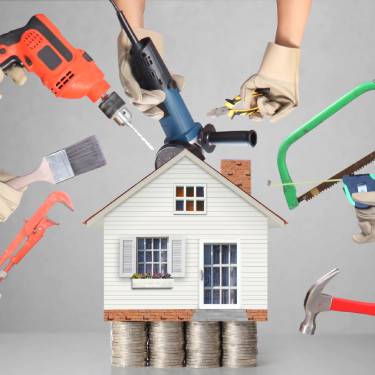
Costly Home Repairs and How To Avoid Them

Maintaining your home can sometimes feel overwhelming, especially when you’re faced with costly repairs. Knowing how to prevent these expenses is essential for preserving your budget and the structural integrity of your home. This guide aims to help you identify common costly home repairs and how to avoid them in the future.

Preventing Water Damage

A burst pipe or leaky roof can lead to significant structural or mold issues over time. To prevent these problems and the repairs that come with them, consider investing in water mitigation equipment, such as sump pumps or water leak detectors. Regularly inspect areas such as your basement, plumbing, and roof for potential leaks or wear and fix issues immediately to avoid long-term trouble. By taking proactive steps like these, you can save yourself from unexpected expenses and extensive damage.

Routine Inspection and Maintenance

Many homeowners underestimate the importance of routine inspections. However, small problems often grow into larger ones when left unchecked. Regular maintenance of HVAC systems, gutters, roofs, and appliances ensures they function efficiently while reducing the risk of breakdowns. Setting reminders or making inspection schedules is a smart habit that can help you avoid major financial surprises.

Protecting Your Foundation

Your home’s foundation is one of its most critical components. Cracks, poor drainage, and shifting soil can destabilize the structure, leading to extensive repairs. To prevent these issues, ensure that your property has adequate drainage systems, such as proper downspout extensions to move water away from your home. Regularly inspect the foundation for cracks and address them promptly. Preventative measures can protect you from significant expenses.

Proactive measures are the key to saving money on major home repairs. Understanding common costly home repairs and how to avoid them helps you protect your home and your wallet. By inspecting regularly, addressing minor problems immediately, and utilizing preventative tools, such as water mitigation devices, you can save yourself unnecessary stress and financial strain. Start implementing these strategies today to enjoy peace of mind as a homeowner.


Bio: Casey is a passionate copyeditor highly motivated to provide compelling SEO content in the digital marketing space. Her expertise includes a vast range of industries from highly technical, consumer, and lifestyle-based, with an emphasis on attention to detail and readability.


More News From This Category
Entertainment News Video Clips That Keep Up
Mon, 04 May 2026 07:08:24 +0000

A breaking trailer drops at 8:12, a cast shake-up hits social feeds at 8:19, and by 8:25 most people just want the clearest version of what happened. That is where entertainment news video clips earn their place. They turn fast-moving celebrity updates, premiere coverage, interview highlights, and viral pop culture moments into something you can scan in minutes instead of chasing across half a dozen apps.

For readers who want one destination for current events and lighter culture coverage, video clips work because they fit the way entertainment moves now - quickly, visually, and across multiple sources at once. A text story still matters, but short-form video often delivers the first look, the tone of the moment, and the details people actually remember.


Entertainment News Video Clips That Keep Up

Why entertainment news video clips matter now

Entertainment is no longer a once-a-day headline category. It updates all day through premieres, social posts, livestreams, late-night appearances, music releases, festival reactions, and studio announcements. A short clip can show the exact red carpet exchange, the teaser everybody is discussing, or the interview answer that changes the whole story.

That speed matters, but so does context. Not every clip deserves the same weight. A polished studio trailer is very different from a fan-shot moment outside an event. A good entertainment video hub helps readers tell the difference fast. That is especially useful for general-interest readers who want reliable access without spending time sorting through recycled uploads or low-quality reposts.

There is also a practical reason clips perform well. Many users are checking news during breaks, commuting, or while multitasking. They want the update, the visual proof, and enough surrounding information to know whether the story is worth following. Video meets that need better than a long article when the topic is performance, fashion, personality, or public reaction.

What viewers expect from entertainment news video clips

People are not looking for just any clip with a celebrity name attached. They want relevance, speed, and a clean path to the bigger story. If a singer debuts a tour concept, viewers want the footage and the timing. If an actor comments on a sequel rumor, they want the exact quote, not a vague recap.

Quality also matters more than it used to. Viewers can spot filler quickly. Clips need to be current, clearly labeled, and connected to a recognizable event or news peg. The best ones usually fall into a few dependable categories: trailer releases, interview segments, award show moments, fashion and red carpet coverage, behind-the-scenes previews, performance clips, and official announcements.

What they do not want is confusion. Entertainment coverage can get messy when old clips are recirculated as new, or when social buzz outruns verified reporting. A discovery-focused platform does more than collect videos. It helps organize them into a stream that makes sense.

The real value of a curated video stream

A wide entertainment feed can be overwhelming if it is not structured. The advantage of curation is simple: readers get variety without the clutter. Instead of opening separate tabs for celebrity updates, streaming platform announcements, film news, music videos, and event highlights, they can browse one organized flow.

That is where a media portal approach makes sense. A service-driven platform such as RobinsPost can surface entertainment news alongside world updates, lifestyle features, and trending videos, which matches how many people actually browse online. They do not always arrive looking only for awards coverage or movie gossip. They often want a mix of quick updates, useful context, and a way to keep moving between topics.

Curation also helps with pace. Some entertainment stories flare up for an hour and disappear. Others build over days, especially around festivals, casting announcements, tour launches, and major streaming releases. Video clips let readers catch the first wave, while category pages and related coverage help them follow what comes next.

Where entertainment news video clips work best

Celebrity and cast updates

This is the fastest-moving corner of entertainment coverage. Casting rumors, relationship headlines, social media statements, and talk-show appearances all produce short clips that spread quickly. The trade-off is that this category is also the easiest to distort. Readers benefit from seeing clips attached to source context rather than random reposts.

Trailers and first-look footage

Official trailers remain some of the most searched and shared entertainment assets online. They are direct, visual, and instantly useful. A trailer clip can tell viewers more in 90 seconds than a long recap can in five paragraphs. For readers tracking film and streaming releases, this is often the most efficient entry point.

Awards shows and red carpet coverage

These clips bring together fashion, celebrity access, live reactions, acceptance speeches, and social-media-ready moments. They are ideal for quick browsing because they capture both event highlights and audience mood. The downside is that red carpet coverage can become repetitive if a platform does not separate standout moments from filler footage.

Music and live performance moments

Performance clips, tour announcements, backstage footage, and artist interviews remain a major part of entertainment traffic. These videos are especially useful because they show tone and energy in a way text cannot. Still, there is a line between coverage and promotion, and smart readers usually prefer platforms that label content clearly.

Speed is useful, but source quality decides trust

Entertainment readers are often treated as if they care only about speed. In reality, they care about not being misled. A clip may be exciting, but if it is clipped out of context, reposted from an unknown account, or tied to a rumor with no verification, it creates more noise than value.

That is why source mix matters. A stronger entertainment video experience usually combines official media materials, broadcaster segments, event footage, and timely reporting from established outlets. It gives viewers a quick route to the visual story while preserving enough structure to avoid confusion.

There is always a trade-off between being first and being accurate. The best approach is not to ignore fast-moving stories. It is to present them in a way that shows what is confirmed, what is promotional, and what is still developing. For audiences scanning several categories in one sitting, that clarity saves time.

How readers use clips differently now

Entertainment video is no longer just passive viewing. Readers use clips to verify what is trending, compare reactions, preview new releases, and decide which stories deserve more attention. A short video often acts as a filter. If the clip is compelling, people keep going. If it feels recycled or thin, they move on.

That makes organization more important than sheer volume. Too many near-identical clips can make a page feel stale even when the topic is hot. On the other hand, a well-sorted stream that mixes official trailers, interview snippets, event moments, and related reporting gives readers a stronger reason to stay.

For multilingual and broad-interest audiences, video also reduces friction. A trailer, performance clip, or red carpet exchange can communicate a lot even before someone reads the full surrounding text. That supports faster discovery across different user habits and browsing styles.

Building a better entertainment video experience

A useful entertainment section should feel current without becoming chaotic. That usually comes down to a few practical choices: clear category labels, fast update cycles, recognizable source attribution, and enough surrounding text to tell viewers why a clip matters.

It also helps when the platform respects mixed intent. Some visitors want celebrity headlines. Others want streaming and film release coverage. Others are casually browsing after checking politics, business, or technology news. A broader portal serves that behavior well when it treats entertainment as part of a larger daily media routine instead of a disconnected tab.

Entertainment clips perform best when they are easy to browse and easy to trust. Readers should be able to jump from a major trailer drop to a festival highlight, then to a music performance or exclusive interview, without feeling lost in duplicate uploads or low-value filler.

The next time a major premiere, surprise cameo, or awards-show speech starts racing across the web, the most useful coverage will not be the loudest. It will be the one that gets you the clip fast, tells you why it matters, and leaves you ready for whatever the next update brings.

Read More ...


Why Science News Feature Articles Matter
Sun, 03 May 2026 07:08:19 +0000

A lab result can hit headlines in the morning and be misunderstood by lunch. That is exactly where science news feature articles earn their place. They slow the rush just enough to explain what changed, what did not, and why a new study, discovery, or warning matters beyond the first wave of attention.

For readers who follow health, technology, climate, space, and public-interest reporting in one stream, the challenge is rarely a lack of information. It is the opposite. There are constant updates, expert claims, social posts, agency statements, and recycled headlines competing for attention. A straight news item tells you what happened. A feature article helps you understand the stakes, the timeline, and the confidence level behind the story.


Why Science News Feature Articles Matter

What science news feature articles do differently

A standard science brief is built for speed. It covers the new paper, the research team, the headline finding, and maybe one outside comment. That format is useful when readers want the latest update fast. But science often does not fit neatly into a single clean takeaway.

Feature coverage gives the subject room to breathe. It can explain how a vaccine trial phase differs from lab testing, why a climate model changes over time, or what an AI breakthrough actually means outside a demo video. It also makes space for uncertainty, which is one of the most valuable parts of science reporting and one of the first things lost in rushed coverage.

That matters because science is cumulative. Most major developments are not sudden miracles or disasters. They are steps in a longer process of testing, failure, revision, replication, and debate. A good feature article reflects that process instead of flattening it into a dramatic claim.

Why readers need context, not just updates

Many readers now encounter science coverage the same way they encounter everything else - as a rolling mix of search results, video clips, social reactions, and aggregated headlines. That makes access easier, but it can also strip out context. A story about gene editing, wildfire smoke, microplastics, or a new cancer therapy may be technically accurate and still leave readers with the wrong impression if it lacks scale.

Context answers the questions that headline summaries skip. Is this finding from mice or humans? Was the study large or narrow? Is the risk immediate or still theoretical? Are experts broadly aligned, or is the field divided? These details shape how readers should interpret the story.

Science feature writing also helps readers compare new claims with what came before. That is especially useful in topics where coverage comes in waves, such as nutrition research or consumer health. One week coffee is linked to a benefit, the next week it is linked to a risk, and the average reader is left wondering whether anything is settled at all. The feature format can show that both stories may be based on limited data, different populations, or different research methods.

The best science news feature articles build trust carefully

Trust in science coverage is not automatic. Readers have seen too many exaggerated claims, too many early findings treated as final, and too many stories rewritten so aggressively that the original research becomes hard to recognize.

The strongest feature articles build trust through discipline, not hype. They name the source of the findings. They distinguish between peer-reviewed work and preliminary results. They quote specialists who can explain both promise and limitation. They avoid turning every study into a life hack or every emerging threat into panic.

That approach does not make an article dull. It makes it usable. Readers come away with something better than a dramatic headline. They get a clearer sense of what is known, what is still being tested, and what to watch next.

This is especially important for a broad audience moving across categories in one session. Someone reading about consumer safety might next click into medical research, then climate, then space exploration. A service-driven news environment works best when each category offers not only access, but reliable framing. That is one reason science content often performs better when paired with explainers, timelines, and adjacent reporting rather than left as isolated breaking news.

Science news feature articles and the problem of overstatement

Science journalism has a recurring tension. Editors need strong headlines. Researchers want attention for meaningful work. Readers want clear answers. Real science often offers careful probabilities instead.

That gap creates overstatement. A small observational study becomes proof. A new material is presented as if commercial products are right around the corner. A lab success is described like a market-ready solution. Feature articles are one of the best tools for resisting that pattern because they can show where a claim sits in the chain from basic research to real-world use.

Take health reporting. If a feature covers an experimental drug, it should not only discuss the result. It should also explain side effects, trial size, comparison with existing treatments, cost questions, and regulatory timing. Without that extra reporting, readers may assume access is imminent when the reality is far less certain.

The same applies in climate and environmental coverage. A new study on extreme weather may be significant, but readers still need to know whether it confirms existing trends, challenges previous assumptions, or covers only a limited geography. Precision matters because public understanding shapes everything from consumer behavior to policy debates.

What makes a strong science feature worth reading

A useful science feature usually combines three things: a timely news hook, plain-language explanation, and a wider frame that connects the topic to everyday life, public systems, or future developments.

The writing should be accessible without talking down to readers. Technical terms are fine when needed, but they should be translated into practical meaning. Readers do not need every detail of a sequencing method or satellite instrument. They do need to know what the method can reveal, where it falls short, and why experts consider it credible.

Good structure matters too. The article should move naturally from the news event to the evidence, then to the implications. If the subject has controversy, that should be included without forcing false balance. Not every issue has two equally supported sides. Fair reporting means representing the actual state of evidence, not manufacturing symmetry.

There is also real value in showing the people and systems behind the science. Research is conducted by institutions, funded by grants, shaped by regulation, and affected by politics, supply chains, and public opinion. A feature that includes those layers often gives readers a more accurate picture than a study summary alone.

Why this format works well in a multi-topic newsroom

In a broad digital news hub, science competes with politics, business, entertainment, travel, and live video coverage. That can be a challenge, but it is also an advantage. Science touches nearly every major category readers already follow.

A feature on battery research connects to consumer tech and autos. A report on extreme heat affects travel, health, insurance, and local infrastructure. A space story can overlap with business, defense, education, and streaming interest from live launches. Science does not sit in a corner anymore. It runs through the daily news cycle.

That is why discovery-focused platforms benefit from science features that are built for browsing audiences, not only specialist readers. The article should be substantial enough to inform, but clear enough for someone who arrived from a general news feed. For a platform like RobinsPost, that means science coverage should help users move from headline awareness to practical understanding without forcing them to chase context across five different tabs.

The future of science feature coverage

The volume of science news is not slowing down. AI research, biotech, climate adaptation, public health surveillance, private space activity, and consumer-facing innovation will keep producing updates at a pace that invites confusion as much as curiosity.

That makes the feature format more valuable, not less. As automated summaries and clipped video reactions become more common, readers will need reporting that can sort signal from noise. They will want articles that explain whether a development is incremental, disruptive, overhyped, delayed, or likely to affect ordinary decisions in the near term.

There is a trade-off here. Feature reporting takes more time than posting a quick rewrite. But the payoff is stronger reader trust, better repeat engagement, and more useful coverage across a crowded news environment. Fast updates bring people in. Clear, contextual features give them a reason to stay.

The next time a breakthrough claims the spotlight, the most useful question is not whether it sounds impressive. It is whether the coverage helps you understand what changed, who it affects, and how much confidence the evidence really deserves.

Read More ...


Health News Video Reports That Keep You Informed
Sat, 02 May 2026 07:08:22 +0000

A vaccine advisory changes, a hospital system issues a warning, or a new study makes headlines before most people have finished their morning coffee. That is why health news video reports matter. They give people a faster way to follow medical stories as they develop, while also adding visuals, expert voices, and context that plain text sometimes misses.

For a general audience, that speed is useful. For regular news followers, it is almost essential. Health coverage now moves across public policy, consumer safety, technology, insurance, mental wellness, nutrition, pharmaceuticals, and global disease tracking. Video makes those updates easier to scan, compare, and revisit without opening ten different articles just to figure out what changed.


Health News Video Reports That Keep You Informed

Why health news video reports work so well

Health stories can be technical, and they often arrive with uncertainty attached. A written article may explain a study in detail, but video can show the researcher speaking, display charts on screen, and walk viewers through the practical meaning in less time. That format helps when the topic is complicated but urgent, such as medication recalls, air quality warnings, infectious disease trends, or changes in screening guidance.

There is also a trust factor, although that can cut both ways. Seeing a physician, public official, scientist, or anchor explain a development can make the information feel more immediate and understandable. At the same time, polished presentation does not guarantee accuracy. A confident speaker can still oversimplify data or frame early findings as settled fact. That is why the best health coverage pairs speed with sourcing and avoids turning every study into a crisis.

For many users, the appeal is practical. Video reports are easy to watch during a commute, lunch break, or quick catch-up session at home. Instead of sorting through fragmented updates, viewers can move through a steady stream of current health coverage in one place and decide which stories deserve a closer look.

What to look for in health news video reports

Not every video labeled as health news is equally useful. Some reports are straightforward updates built around verified facts, while others are closer to commentary, sponsored promotion, or personality-driven reaction. Knowing the difference saves time and helps users avoid confusion.

The strongest reports usually do a few things well. They identify the source of the information, explain whether the story is based on a new study, government guidance, hospital data, or breaking events, and place the update in a wider public health context. If a report says a treatment is showing promise, viewers should also hear whether the findings are early, how large the study was, and what questions remain unanswered.

Balance matters too. A useful video report does not pretend every medical story has a simple answer. Sometimes experts disagree. Sometimes the evidence is still evolving. Sometimes a headline sounds dramatic, but the practical takeaway for most people is modest. Good reporting makes room for those trade-offs instead of rushing past them.

The biggest categories people follow

The demand for health news video reports is not driven by one single topic. It comes from a mix of everyday concerns and major public events. Some viewers want updates on seasonal illness, vaccines, and local health alerts. Others are more focused on long-term subjects such as heart health, cancer research, mental health care, aging, and digital medicine.

Consumer safety is another major area. Reports on food recalls, contaminated products, medication shortages, and insurance policy changes tend to get attention because they affect daily decisions right away. So do stories about telehealth, wearable devices, and AI in medicine, especially when they promise convenience but raise questions about privacy, accuracy, or cost.

Then there is public health coverage on a larger scale. Wildfire smoke, heat waves, water quality, and disease outbreaks often sit at the intersection of health and environmental reporting. Video is especially effective here because maps, footage, on-site reporting, and live press briefings can quickly show the scope of the issue.

How viewers can separate useful reporting from noise

The speed of online video is part of its value, but it also creates problems. When health stories trend, clips can spread faster than proper verification. A short segment may leave out key limits of a study. A creator may present personal experience as medical evidence. A headline may suggest a breakthrough when the actual findings are much narrower.

A smart approach is to watch with a few questions in mind. Who is speaking? What evidence are they using? Is the report describing a peer-reviewed study, a preliminary conference presentation, or a social media claim that has not been confirmed? Is the advice meant for the public at large, or for a specific group such as older adults, pregnant women, or people with chronic conditions?

It also helps to notice tone. Reliable health reporting usually sounds measured, even when the story is serious. If every update is framed as shocking, secret, or game-changing, that is a warning sign. Health is full of real developments, but genuine journalism does not need constant exaggeration to hold attention.

Why aggregation helps with health coverage

Health news comes from many directions at once. Major broadcasters, local stations, medical correspondents, government briefings, hospital systems, and specialist publishers can all be covering the same event from different angles. For users, that creates a familiar problem: too much information, scattered across too many places.

That is where a broad discovery platform becomes useful. Instead of chasing updates one by one, readers can browse curated health news video reports alongside related stories, live coverage, and wider category news. A setup like that works well for people who want a single destination for fast scanning and deeper follow-up, especially when health developments overlap with business, travel, technology, or public policy.

This is also why aggregation needs care. More volume is not automatically better. The value comes from organization, recognizable sourcing, and the ability to compare coverage rather than getting trapped in one viewpoint. For users, the advantage is not just convenience. It is perspective.

Health news video reports and the rise of visual explainers

One notable shift in recent years is the move from simple anchor updates to visual explainers. Viewers now expect more than a headline and a quote. They want timelines, symptom breakdowns, side-effect comparisons, dosage context, public guidance, and short expert interviews that answer the obvious next question.

This style is especially helpful when the subject has a direct consumer impact. If a drug is recalled, people want to know which products are affected, what steps to take, and whether alternatives exist. If a study links a habit to lower disease risk, viewers want to know whether the effect was strong, who was studied, and whether the change is realistic for everyday life.

The best video explainers respect the audience's time. They do not bury the point under jargon, but they do not flatten everything into oversimplified advice either. In health reporting, clarity and caution need to travel together.

Where health coverage is heading next

Health video coverage will likely become even more immediate, more searchable, and more personalized. Live updates, short-form clips, multilingual access, and category-based feeds are already changing how audiences follow medical stories. People increasingly expect to move from a breaking headline to a short report, then to a longer explainer, then to related consumer or policy coverage without starting over on another platform.

That convenience is valuable, but it raises the bar for publishers and aggregators. The faster health reporting gets, the more important editorial judgment becomes. Audiences need quick access, but they also need signals that help them distinguish between verified updates, evolving research, and attention-grabbing noise.

For readers, the practical takeaway is simple. Use health news video reports as a fast window into what is happening, but stay alert to source quality, missing context, and the difference between early findings and everyday medical guidance. If a platform helps you compare trusted coverage quickly and keep related updates in view, it is doing real work. In a news cycle that rarely slows down, that kind of access is worth having close at hand.

Read More ...


Technology News Live Coverage That Keeps Up
Fri, 01 May 2026 07:08:33 +0000

A product keynote starts on the West Coast, a chipmaker drops guidance before the market opens, and an app outage spreads across social media before many users even know what broke. That is where technology news live coverage earns its place. For readers who want fast updates without bouncing between ten tabs, live coverage turns a busy tech cycle into something readable, watchable, and easier to follow.

Tech moves differently from many other news categories. A policy announcement can affect device makers, cloud providers, app developers, and consumers within hours. A security flaw can begin as a niche report and become mainstream by the afternoon. An earnings call can shift sentiment around AI, semiconductors, and hardware all at once. Static reporting still matters, but it often arrives after the most useful moment has passed. Live coverage fills that gap by tracking events as they unfold and by giving readers a clearer path through the noise.


Technology News Live Coverage That Keeps Up

Why technology news live coverage matters now

The value is not just speed. It is context delivered in sequence. When coverage is live, readers can see what happened first, what changed next, and which claims held up once more information arrived. That timeline matters in technology because early reporting is often incomplete. A rumored feature becomes a confirmed launch, a reported outage turns out to be regional, or a bold AI announcement gets tempered by pricing, regulation, or technical limits.

For a broad audience, this approach is practical. Not everyone wants a deep technical breakdown of a new processor architecture or a long transcript from a developer conference. Many readers simply want the key update, the short explanation, and a reliable way to keep watching if the story grows. Live coverage supports that by bringing together headlines, clips, official statements, expert reaction, and follow-up reporting in one stream.

It also matches how people consume modern media. Some users read quick text updates at work. Others prefer live video, short clips, or event recaps later in the day. A strong coverage hub can support all three behaviors without forcing readers into a single format.

What good live technology coverage looks like

The best live coverage is not a flood of unfiltered posts. It is organized, selective, and clear about what is confirmed. That sounds simple, but it is where many coverage streams fall apart. Fast publishing can create clutter if every rumor, repost, and hot take gets equal treatment.

A useful live technology feed usually does three things well. First, it separates verified developments from speculation. Second, it keeps updates short enough to scan but detailed enough to be useful. Third, it widens the lens when needed. A phone launch is not only about hardware specs. It may connect to supply chains, mobile carriers, app ecosystems, pricing pressure, and consumer demand.

That broader view matters on a news portal built for discovery. Readers tracking a live event may also want adjacent updates on business, regulation, shopping trends, or video coverage. A centralized platform works best when it does not trap a user inside one narrow story, but helps them move naturally across related developments.

Speed without confusion

Fast updates are only helpful when they remain readable. During major events, the strongest publishers maintain a clean flow: timestamped updates, brief summaries, and quick transitions from rumor to confirmation. Readers should not have to decode what is new, what changed, and what still needs verification.

There is a trade-off here. Extremely fast coverage can miss nuance. Slower coverage may be more accurate but less useful in the moment. The sweet spot is a service mindset: publish quickly, label uncertainty, then update aggressively as facts sharpen.

Live video adds a different layer

Technology is unusually visual. Product launches, robotics demos, interface changes, gaming reveals, and keynote presentations often make more sense on screen than in text. Live streams and event video can show what a written recap cannot, especially when executives demonstrate new features in real time.

Still, video alone is not enough. Live streams can be long, promotional, and hard to search. Pairing video with concise written updates gives readers options. Some want to watch the announcement unfold. Others want the key point in thirty seconds. A good coverage hub respects both habits.

The stories that benefit most from live coverage

Not every tech headline needs rolling updates. A thoughtful feature on privacy law or a detailed review of a laptop often works better as a finished article. But certain types of stories are naturally built for live treatment.

Major company events are the obvious example. Developer conferences, product launch days, and keynote presentations generate a steady stream of reveals, reactions, and clarifications. Earnings reports are another. They tend to move markets, reset expectations, and trigger a burst of related commentary around growth, ad revenue, devices, cloud services, or AI spending.

Outages and cybersecurity incidents also benefit from live updates. In those moments, readers are not looking for polished prose. They want to know what is affected, who confirmed it, whether a fix is in progress, and what they should do next. The same goes for regulatory decisions involving antitrust, app stores, social media platforms, data privacy, and export controls. These stories can shift quickly and carry broad consumer impact.

Then there is the AI cycle, which often blends hype, product demos, policy moves, and competitive responses into a single fast-moving stream. Live coverage helps separate the announcement from the actual availability, the research claim from the consumer product, and the headline promise from the business reality.

How readers can use technology news live coverage better

A live feed is only useful if readers know how to read it. The first move is to treat early reports as provisional, especially during breaking stories. Initial claims often reflect partial information. That does not mean live coverage is unreliable. It means the most responsible streams show the reporting process in real time.

The second move is to use multiple content formats. If a story seems confusing in text alone, video clips or official event footage may clear it up. If a long stream feels overwhelming, short recap items can bring the main point into focus. Readers do not need every update. They need the right update at the right moment.

It also helps to watch for signal over volume. A hundred posts about a rumored product do not necessarily equal a meaningful development. One confirmed statement from a company, regulator, or trusted reporting source usually matters more than a wave of repeated speculation.

For readers who want one place to scan updates across categories, this is where an aggregation-led model becomes useful. A broad portal such as RobinsPost can serve people who follow technology alongside business, world news, entertainment, and consumer trends. That wider setup reflects real user behavior. Most people do not experience tech in isolation.

The limits of live coverage

Live reporting is strong at showing motion, but not always at showing depth. A stream can tell you that a company announced a new AI assistant, raised prices, or faced a service outage. It may not fully explain why the announcement matters, how the economics work, or what the long-term implications are for users and competitors.

That is why the best live coverage does not replace analysis. It works as the front line, then hands off to deeper reporting, explainers, and special reports once the dust settles. Readers benefit from both. First they get the update. Then they get the meaning.

There is also the platform issue. Tech news often spreads first on social apps, video platforms, and community forums, but those environments can reward speed and reaction more than verification. A dedicated news hub has a different job. It should help readers sort, not just scroll.

Where this format is heading

Technology news live coverage is becoming less about a single rolling text page and more about a mixed newsroom experience. Readers now expect a blend of video, event streams, quick summaries, searchable headlines, and related topic paths that help them keep going. They also expect coverage to move across devices without friction, from a desktop work session to a phone check-in during the commute.

That shift favors news environments that can organize a large volume of updates without losing clarity. As AI, hardware, apps, cybersecurity, and digital policy keep colliding, the real advantage will not be publishing more. It will be making the update trail easier to follow.

If you rely on tech news to make sense of the products you use, the companies you watch, or the trends shaping daily life, live coverage is no longer just a feature. It is the format that makes fast-changing stories usable. The smart move is not to chase every alert. It is to follow coverage that keeps pace, keeps context, and respects your time.

Read More ...


Tips for Insuring Your Fine Jewelry Pieces
Thu, 30 Apr 2026 14:53:06 +0000

A person wearing white gloves inspects gold rings and jewelry with a loupe and tweezers beside a digital scale.

Jewelry often carries more than financial value. Rings, necklaces, and heirloom pieces represent milestones, relationships, and memories collected over time. Protecting those pieces requires careful storage and financial coverage. Insurance safeguards items that may hold both emotional and monetary significance. Our tips for insuring your fine jewelry pieces include preparation, accurate documentation, and understanding how insurers evaluate valuable items.

Read More ...


Related Bing News Results
Today's NYT Connections Hints (and Answer) for Monday, May 4, 2026
Sun, 03 May 2026 18:24:00 GMT
If you’re looking for the Connections answer for Monday, May 4, 2026, read on—I’ll share some clues, tips, and strategies, and finally the solutions to all four categories.

Today's Wordle Hints, Answer and Help for May 4, #1780
Sun, 03 May 2026 13:06:00 GMT
Here's today's Wordle answer, plus a look at spoiler-free hints and past solutions. These clues will help you solve The New York Times' popular puzzle game, Wordle, every day.

Today's NYT Connections Hints, Answers and Help for May 4, #1058
Sun, 03 May 2026 13:04:00 GMT
Here's today's Connections answer and hints for groups. These clues will help you solve New York Times' popular puzzle game, Connections, every day!

Today’s Wordle #1779 Hints And Answer For Sunday, May 3
Sat, 02 May 2026 15:18:00 GMT
Looking for help with today's New York Times Wordle? Here are some expert hints, clues and commentary to help you solve today's Wordle and sharpen your guessing game.


Blow Us A Whistle


Related Product Search/Búsqueda de productos relacionados

Amazon Logo

Visit Our New Print-On-Demand Stores On Printify and Zazzle
Printify Zazzle