

Bra Top Care and Maintenance Guide: Extending the Lifespan of Your Favorite Undergarments
Bra
tops are a staple in many wardrobes, whether they're
worn for athletic activities, fashion statements, or simply as
comfortable loungewear. These versatile pieces of clothing
provide support and style, but like any garment, they require
proper care to maintain their quality and longevity. In this
blog, we'll explore the importance of bra top care and
maintenance and provide you with valuable tips to help you
extend the lifespan of your favorite pieces, ensuring they
remain comfortable, and supportive, and look great over time.
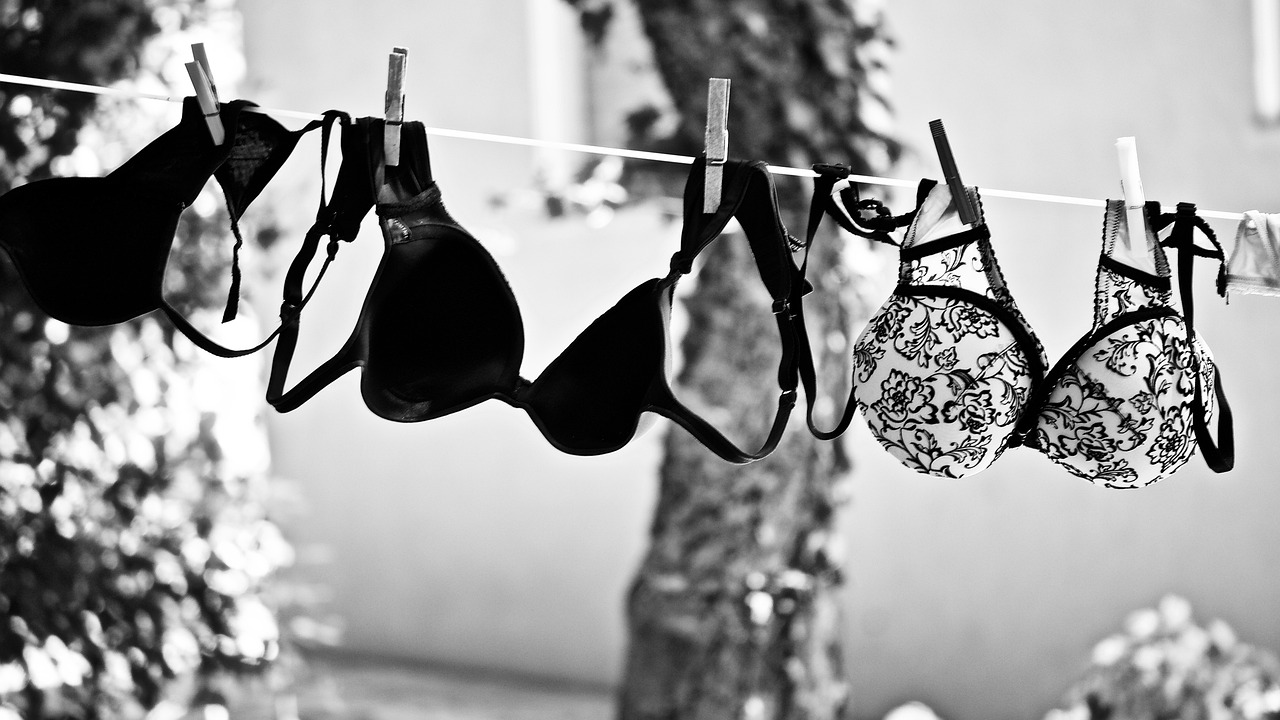
Bra tops, like
high-impact sports bras, are often designed with
specific fabrics, elastic bands, and intricate construction to
offer the desired fit and support. Proper care is essential to
ensure these features remain intact and effective. Neglecting
care can lead to premature wear and tear, loss of elasticity,
fading colors, and a reduction in overall comfort.
2. Washing Guidelines for Bra Tops
Hand Washing:
Hand washing is the gentlest method to preserve the integrity
of your bra tops.
Fill a basin with lukewarm water and add a mild detergent
designed for delicates.
Submerge the bra top and gently agitate the water to release
dirt and sweat.
Rinse thoroughly with cold water to remove all traces of
detergent.
Machine Washing:
Check the care label on your bra top to determine if the machine
washing is safe.
Place your bra top in a mesh lingerie bag to prevent tangling
with other clothes.
Select a delicate or lingerie cycle with cold water and a mild
detergent.
Avoid using fabric softeners, as they can break down elastic
fibers.
3. Drying Techniques
Air Drying:
Air drying is the best option for bra tops to prevent damage
from high heat.
Gently squeeze out excess water after washing.
Lay the bra top flat on a clean towel and reshape it to its
original form.
Allow it to air dry away from direct sunlight.
Avoid Heat:
Never tumble dry your bra tops, as the heat can degrade the
fabric and elastic fibers.
Avoid hanging your bra tops by their straps, as this can cause
stretching.
4. Storage Tips for Bra Top
Drawer Storage:
Fold your bra tops neatly and stack them in a dedicated
drawer.
Use dividers to keep different styles separated and prevent
tangling.
Hanging:
If you prefer to hang your bra tops, choose a padded hanger to
maintain their shape.
Hook the bra tops by the center to prevent stretching the
straps.
Avoid Overcrowding:
Avoid overcrowding your storage space to prevent excessive
pressure on the fabric and elastic bands.
5. Additional Care Considerations
Rotate Your Collection:
Avoid wearing the same bra top every day. Give each piece time
to rest between wears to help maintain elasticity.
Use Lingerie Bags:
If you choose to machine wash your bra tops, always use a
lingerie bag to protect them from friction with other clothes.
Avoid Harsh Chemicals:
Avoid using bleach or harsh stain removers, as they can damage
the fabric and compromise color vibrancy.
Check for Damage:
Regularly inspect your bra tops for signs of wear, loose
threads, or stretched-out elastic. Address any issues
promptly.
6. Know When to Replace
Even with proper care, bra tops will eventually wear out due
to natural wear and tear. Signs that it's time to replace your
bra tops include:
Loss of elasticity in the bands and straps.
Stretched-out or misshapen cups.
Faded colors or pilling.
Excessive fraying or visible damage.
Conclusion
Your favorite bra tops are deserving of the best care to
ensure they continue to provide the comfort, support, and
style you love. By following these care and maintenance tips,
you can extend the lifespan of your bra tops and keep them in
top-notch condition for longer. Remember that proper care
isn't just about maintaining appearances; it's about
maximizing the functionality and longevity of your wardrobe
essentials. With a little care and attention, your bra tops
will remain dependable companions through workouts, daily
activities, and moments of relaxation.
John Paul, AAA Northeast's Car Doctor, hears from a reader who is curious why the US lags behind other nations in EV adoption. The post Why are other countries adopting electric vehicles faster than ... Original Image Link Source:www.msn.com
Today’s NYT Connections: Sports Edition puzzle is pretty tough, with a diverse group of categories that might stump players. If you’re struggling with the puzzle but still want to solve it, read on for hints and the answers.
Do you know what a Tin Can phone is? A few months ago, my answer would’ve been no. Since then, a whole new world has opened up to my 7-year-old daughter, all thanks to a simple Wi-Fi-enabled landline phone.
Some ordinary-looking thrift finds can be surprisingly valuable: Vintage Pyrex, Big-E Levis, sterling silver, and collectible cast iron can be worth far more than their sticker price.
The best clues are often hidden: Check bottoms, backstamps, labels, tabs, copyright pages, and makers marks before passing something up.
Condition and rarity matter: A desirable color, uncommon shape, original dust jacket, or intact vintage label can dramatically increase what collectors will pay.
One person's donation can be another person's jackpot.
Thrift stores are filled with things that look old, dated, or downright ordinary. And most of them are exactly that.
But mixed among the $2 coffee mugs and $8 jeans can be collectibles worth $50, $100m or occasionally hundreds (or even thousands) of dollars. The hard part is knowing what deserves a second look.
A recent example is vintage Pyrex. A limited-edition bowl that could easily get lumped in with grandma's old kitchenware has become a highly sought-after collectible.
And Pyrex is hardly the only thing hiding in plain sight. Here are seven thrift-store finds you should learn how to spot.
1. Pyrex Pumpkin Butterprint bowls
If you see old Pyrex, don't automatically dismiss it as another piece of grandma's cookware.
One particularly interesting pattern is Pumpkin Butterprint, released in 1965. It features orange farm-themed illustrations on a white background and was produced in limited numbers. Examples are now being offered for hundreds of dollars on resale sites like eBay, with many selling for $250-$375 depending on the condition.
Pumpkin Butterprint also has a handy identifying feature: It appears to have been produced exclusively in Pyrex's Cinderella bowl shape. Those bowls have distinctive extended lips on both sides that work as handles and pouring spouts.
What to look for: White Pyrex Cinderella bowls decorated with orange Amish-style figures, crops, and farm imagery.
Thrift-store trick: Don't just look at the Pyrex pattern. Flip it over and photograph the logo, model number, and other markings and do an image search on eBay. Those details can help identify the exact piece before you buy.
And remember that a $500 eBay listing doesn't mean somebody paid $500 for it. Be sure to check those completed or sold listings whenever possible.
2. Old Levi's with a capital "E"
Here's a reason to spend a few extra minutes digging through the jeans rack.
Look at the tiny red Levi's tab sewn onto the back pocket. If the word LEVI'S has a capital E, stop and take a closer look.
Levi Strauss says the company switched from the capital-E logo to today's lowercase e in 1971. That makes a genuine Big E tab one of the quickest indicators that you're holding an older pair that was made in the USA.
Other clues on collectible vintage 501s include 100% cotton fabric, single-stitch inseams, and no care tag care labels didn't become standard until the early 1970s.
These jeans sell for up to $500 on eBay with many going in the $200-$300 range. Vintage Levi's jackets can be valuable, too.
What to look for: Big-E red tabs, older 501s, vintage Trucker jackets, and unusual Orange Tab pieces.
Thrift-store trick: Don't stop at the Levi's label. Search the numbers printed or stamped on the tags and buttons. With vintage denim, tiny manufacturing details can make an enormous difference in value.
3. Sterling silver hiding with the cheap flatware
That blackened old spoon may look like it needs to be thrown away. It may also be made of silver.
Thrift stores sometimes group tarnished silver-colored utensils together, which makes the flatware bin worth checking.
The magic words are STERLING, 925, or .925. Those generally indicate an item is sterling silver, which is 92.5% silver.
Marks such as EPNS, EP, or A1 generally indicate plated pieces, which contain only a thin layer of silver and typically have far less intrinsic metal value.
A substantial sterling flatware set can contain more than $1,000 worth of silver depending on its weight and the current silver price. And desirable makers and patterns may be worth more as collectibles than as scrap.
What to look for: STERLING, 925, or .925 stamped on the back of forks, spoons, serving pieces, candlesticks, and other silver-colored items.
Thrift-store trick: Tarnish isn't necessarily bad. In fact, don't polish an old piece until you know what it is. Aggressive polishing can hurt the value of some antiques.
4. Griswold cast-iron skillets
A rusty old skillet might be more interesting than the shiny new pan sitting beside it. Collectors hunt vintage cast iron, and Griswold is one of the names worth remembering.
The Erie, Pennsylvania, manufacturer produced cast-iron cookware that has developed a serious collector following. Value depends heavily on the logo, age, size, condition, and rarity with many selling in the $90-$150 range on resale sites.
What to look for: Flip every old cast iron pan over. Look for the Griswold name and its distinctive cross-shaped logo, along with an Erie, Pennsylvania marking on older examples.
Thrift-store trick: Don't let surface rust scare you away. Cast iron can often be restored. Cracks, serious warping, and major pitting are much bigger problems.
5. Vintage Fiestaware in the right color
That brightly colored plate may be worth $8. Or you might have found one of the Fiestaware pieces collectors actually want.
Original Fiestaware was produced from 1936 until the early 1970s before the line was revived in 1986. Certain vintage colors and uncommon shapes are considerably more collectible than ordinary plates.
One color worth learning is medium green, produced from 1959 to 1969 and considered among the rarest colors from the original line.
But shape can matter just as much as color. Scarcer pieces include covered onion soup bowls, carafes, syrup pitchers with their original lids, and candleholders.
What to look for: Bright solid-color pottery with concentric rings. Turn it over and look for fiesta or Fiesta HLC USA markings, although some genuine vintage pieces were unmarked.
Thrift-store trick: Never assume that since a piece is old it must be valuable. For Fiestaware, a rare shape in a sought-after color can be worth dramatically more than a common dinner plate from the same era.
6. Old Pendleton wool blankets and shirts
Here's one for the racks that look like they're full of grandpa's clothes.
Vintage Pendleton wool shirts, jackets, and especially blankets have a devoted collector market and often sell for well over $250 when in good condition.
The label is your first clue. Older Pendleton labels can help date a piece, and particularly early blankets with desirable patterns can command hundreds of dollars. Pre-1950 trade blankets in excellent condition can reach considerably higher.
What to look for: Pendleton wool shirts, jackets, and blankets particularly older pieces with Beaver State (on blankets) or early Pendleton Woolen Mills on the shirt labels.
Thrift-store trick: Check wool carefully for tiny moth holes. Hold clothing or blankets toward a bright light and check for holes. A piece that looks flawless on the rack can suddenly resemble Swiss cheese when you get it home.
7. First-edition books hiding among $2 hardcovers
You don't have to recognize every rare book on sight. You just need to know where to look.
Start the hunt by opening a promising hardcover and turn to the copyright page.
For many modern books, a number line containing a 1 can indicate a first printing. You'll also want to look for First Edition or similar publisher information. First print classic titles can fetch thousands of dollars, even for some books that you've probably never head of.
Then check something thrift shoppers often ignore: the dust jacket.
Rare-book dealer Joshua Mann told Martha Stewart that for some collectible books, the dust jacket can account for the vast majority of the book's value.
And always look for signatures. A later printing of an otherwise ordinary book can suddenly become collectible if it contains an authentic signature from a sought-after author.
What to look for: First editions of major authors, signed copies, unusual art and photography books, and older children's books with their original dust jackets.
Thrift-store trick: If something looks promising, photograph the copyright page and search the exact publisher, year, and printing and not just the book title.
The thrift-store rule that can save (or make) you money
There's a common thread running through nearly every valuable thrift-store find on this list: The important information is often on the bottom, back, or inside.
Flip over the Pyrex.
Read the Levi's tab.
Check the bottom of the skillet.
Look at the stamp on the silver.
Open the book.
Read the cookware mark.
Those extra 30 seconds can tell you whether you're holding a $5 piece of secondhand clutter or something genuinely collectible.
Consumer attitudes toward electric vehicles and the sales charts that track them are moving in opposite directions. More than half of U.S. drivers surveyed for the fourth annual HERE-SBD EV Index, ... Original Image Link Source:www.msn.com





